5 Years of Leibniz Academy: How Leadership Development Transforms the Leibniz Association
On Leadership in Leibniz Institutes
The Leibniz Leadership Academy is turning five years old – a good moment to pause and ask: What has it achieved? And why is it needed at all?
The answer lies in the distinctive nature of scientific institutions: complex governance, strong informal hierarchies, pronounced scientific autonomy – and leaders who are rarely systematically prepared for this task.
In five years, the Academy has had diverse impact across the Leibniz Association. It has substantially contributed to the professionalisation of individual leaders – and initiated positive developments in leadership culture at many institutes. Perhaps the most sustainable impact is the strengthening of the network: carried by members of the Association for members of the Association. The Academy has thus contributed to greater sense of belonging, commitment and openness in the Leibniz Association – and continues to do so. Given limited resources and growing demands on institutes, this is an effective investment.
Professionalising Leaders
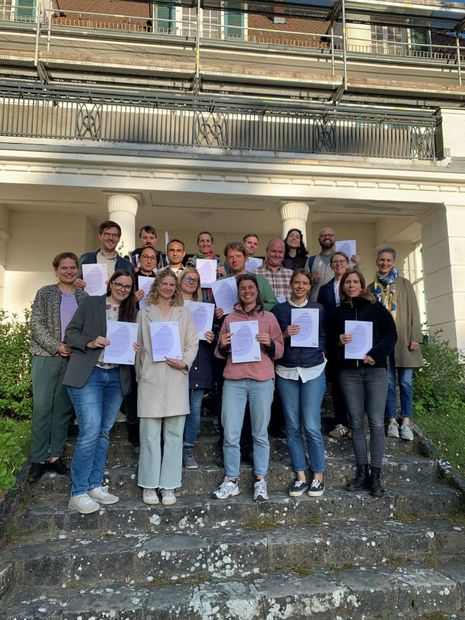
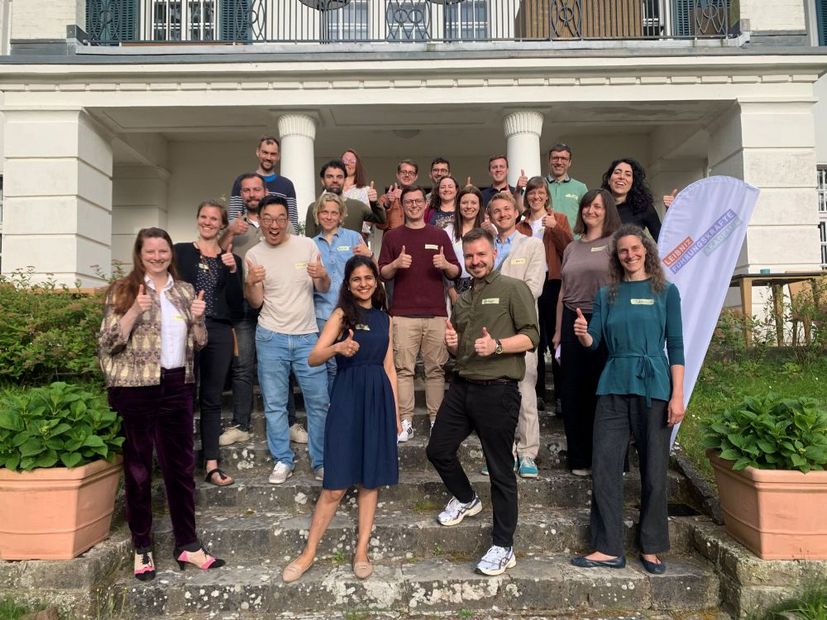
The programmes are designed for all leadership levels – from junior research group leaders through middle management to director level. An encouraging large number of leaders in the Association have already participated in at least one of the programmes. In doing so, they have not only acquired tools and competencies, but also learned to better contextualise their own challenges: much that previously seemed like an individual problem is actually structural – an insight that sustainably changes one's perspective on one's own role. The fact that what has been learned is not always consistently implemented in everyday work – the challenges are too complex, the patterns sometimes too ingrained – is part of the reality of leadership development. The difference becomes truly visible where not individuals, but entire management teams have had the same experience.
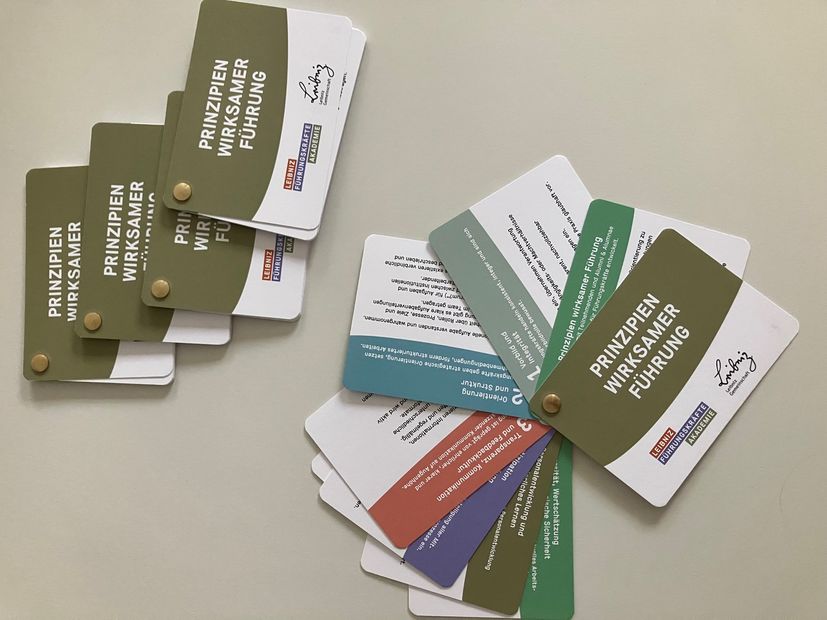
The "Principles of Effective Leadership", developed in 2025 through a participatory process with participants and alumni, provide a shared answer to what is expected of leaders in the Leibniz Association. They articulate in seven guiding principles what good leadership should be oriented toward – as a standard for individuals and as a foundation for institute-specific leadership mission statements.
Strengthening Organisations (or: "Return on Management Education")
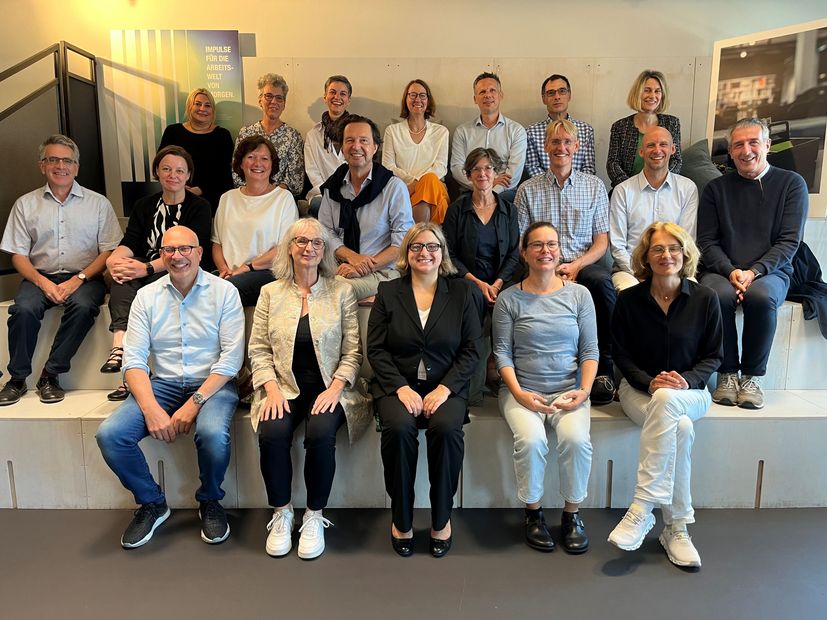
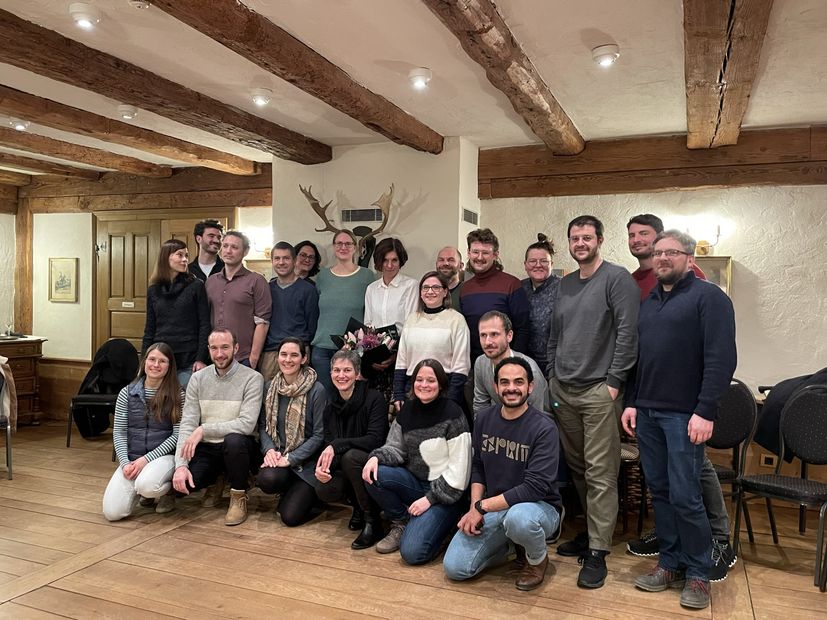
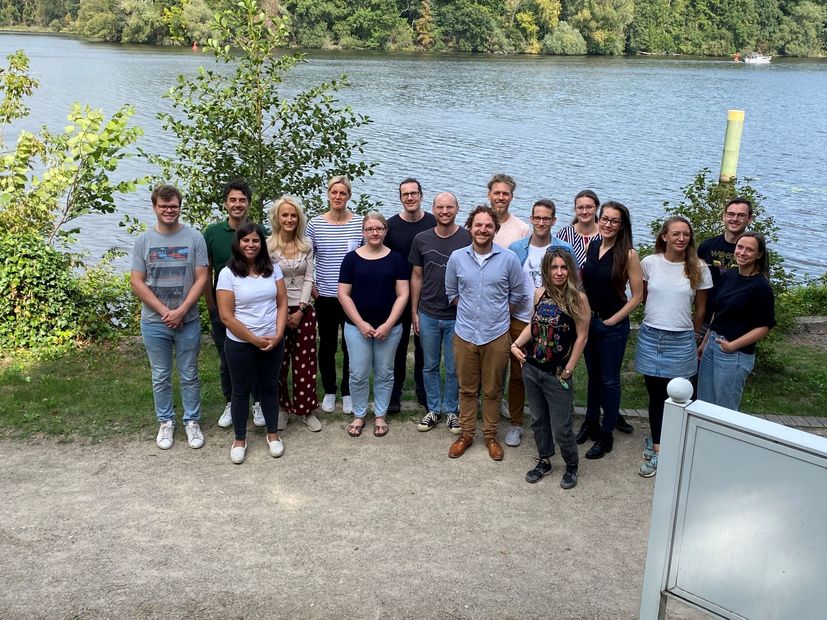
Impact is most evident when a critical mass of group and department heads, administrative leaders and board members of an institute have completed the Academy. These people speak about leadership in the same language, they have the same models in mind and develop a shared sense for the cultural indicators of their institute. In this sense, they are more than the sum of their parts.
This pays off – in the literal sense. Good management is a prerequisite for good scientific and research supporting work (while poor leadership is expensive in the long run – through turnover, loss of motivation and conflicts that become entrenched). As individuals professionalise, the organisation's performance improves. Chaotic change processes consume resources and motivation. An orderly, transparent, participatory approach to restructuring makes organisations resilient, engages employees and saves energy that is needed elsewhere. This way institutes can be well positioned for:
- orderly transitions in institute leadership – especially given the imminent generational change
- a work culture that matters to the young generation – in science and research supporting areas
- greater mutual understanding between science and administration
- constructive handling of conflicts before they escalate and consume energy
- change processes that bring employees along
Living Leibniz as a Community
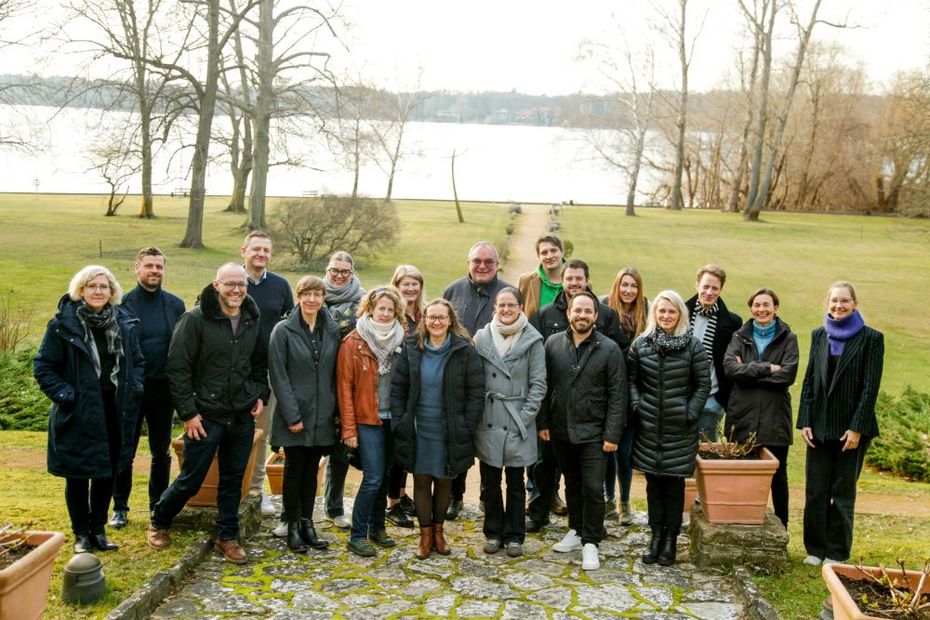
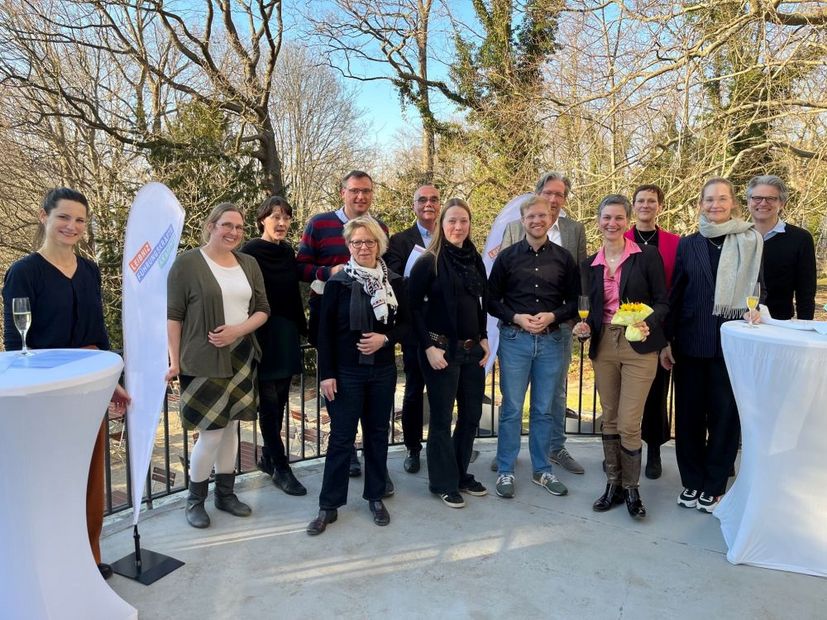
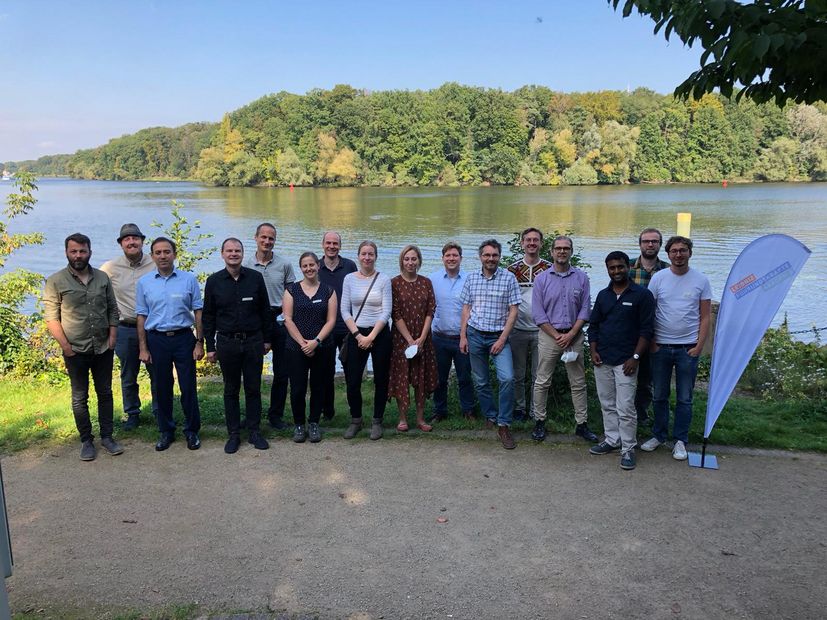
Something new also emerges at the community level. Through the many opportunities for exchange and networking, whether at fireside chats, forums, workshops and networking meetings, solid relationships are built and genuine curiosity about other disciplines develops.
Both bring tangible advantages: those who know and trust each other can work together more quickly and reliably – also across institutions, also under time pressure. And once you understand what a colleague from a completely different discipline is grappling with, once as a researcher you know the challenges of administration, once from the research supporting area you better understand the work of scientists, you think differently about collaboration. That may be the Academy's true strength: not just developing leaders, but strengthening the community as such.
What can be counted: range – and a look behind the scenes
Participants (as of June 2026)
- Total participants: 583
- in programme "Developing Leadership": 89 (corresponds to 40% of target group)
- in programme "Experiencing Leadership": 293 (corresponds to 21% of target group)
- in programme "Reflecting on Leadership": 201 (corresponds to 52% of target group)
- in online programme "Starting Leadership" (since 2025): 581 (corresponds to 8 % of target group)
Leibniz Network
- Fireside chat guests: 44 leaders from Leibniz institutes have shared their personal stories in a confidential setting
- Alumni workshops: 17 cohorts have reconvened after completing their programme to continue working together on their leadership topics
Other Highlights
- Best Minds: participation in the Academy is part of the funding for supported female professors and junior research group leaders.
- New to Leibniz – The onboarding event for institute, division and department heads, takes place every mid-October.
- Forum on Personnel Development – networking opportunity for all those involved in personnel and career development. Every two years, in spring.
- Leadership Lunches: They are the "shop window of the Academy." Together with the Helmholtz Academy, a special leadership topic is explored every eight weeks.
- Principles of Effective Leadership: guidance for individual leaders as well as for developing the culture within their own institute.
From Behind the Scenes
- Events per year/total: 55 / 245
- Leibniz stools sent on travels (a selection can be seen here): 20 / 100
- Workbooks per year/total: 480 / 2,400
Follow us on LinkedIn.
Our group is open to participants, alumni and all leaders of the Leibniz Association.
The fan "Principles of Effective Leadership" can be ordered from the Leibniz Leadership Academy at akademie(at)leibniz-gemeinschaft.de.
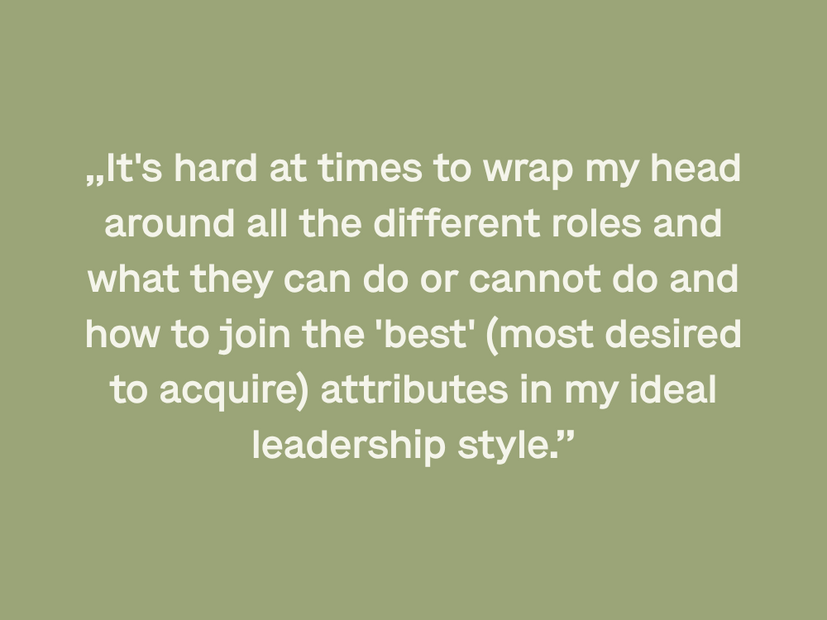
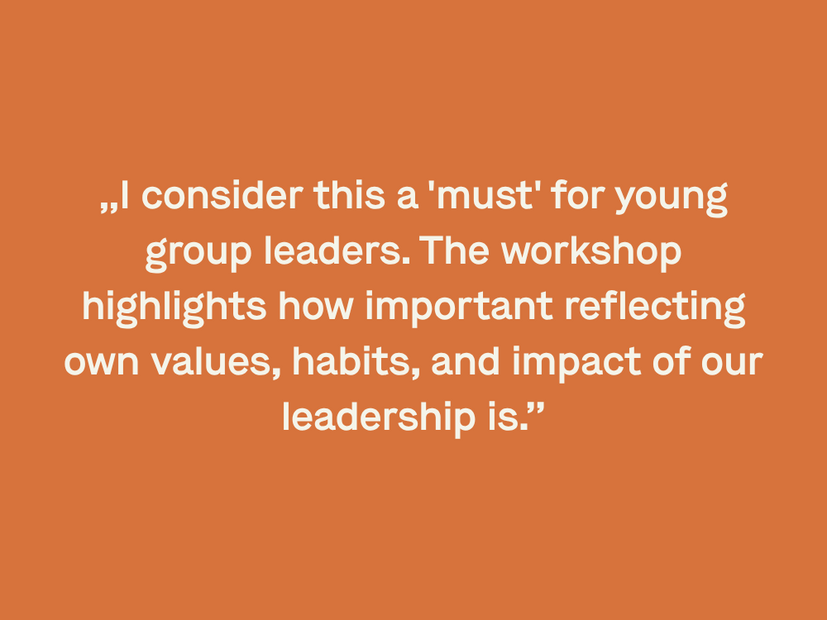
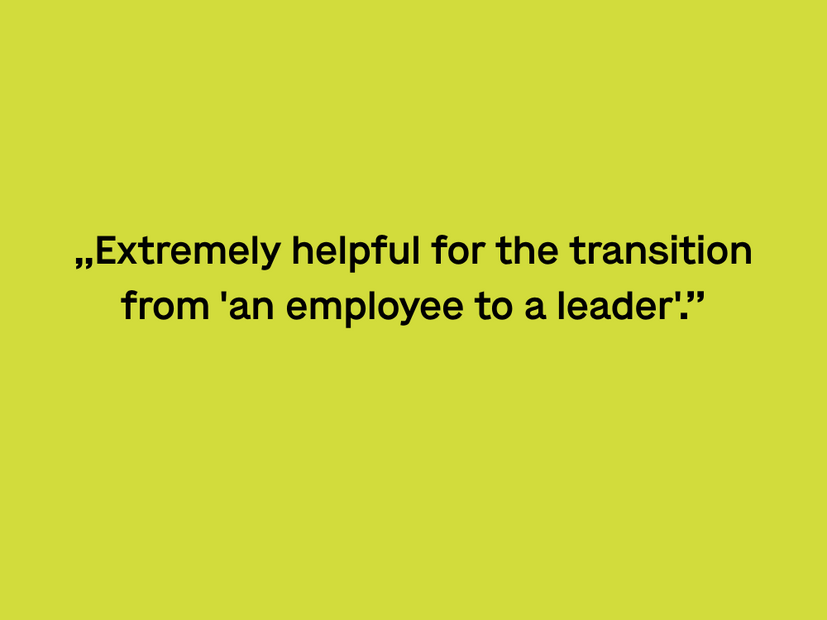
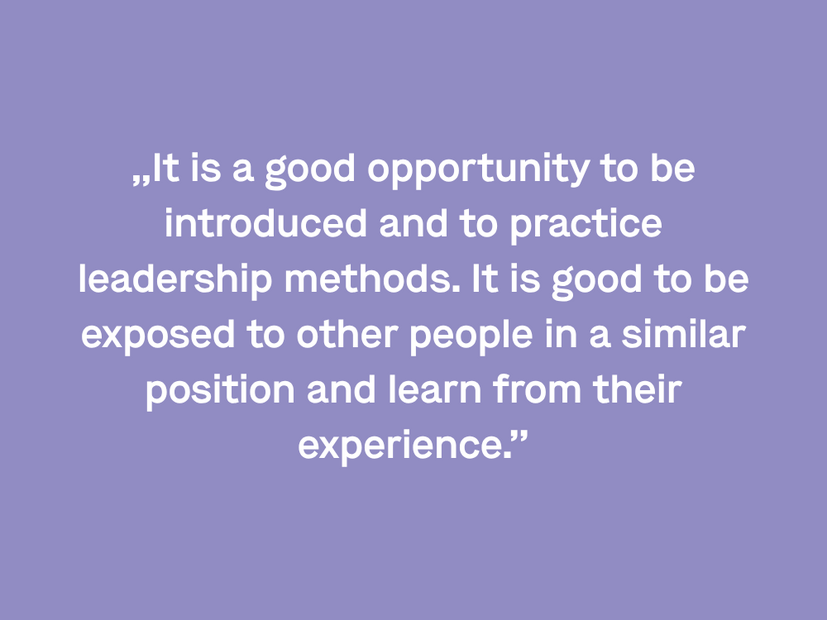
Quotes from participants
(for more quotes, please go to the German website)
Pictures